

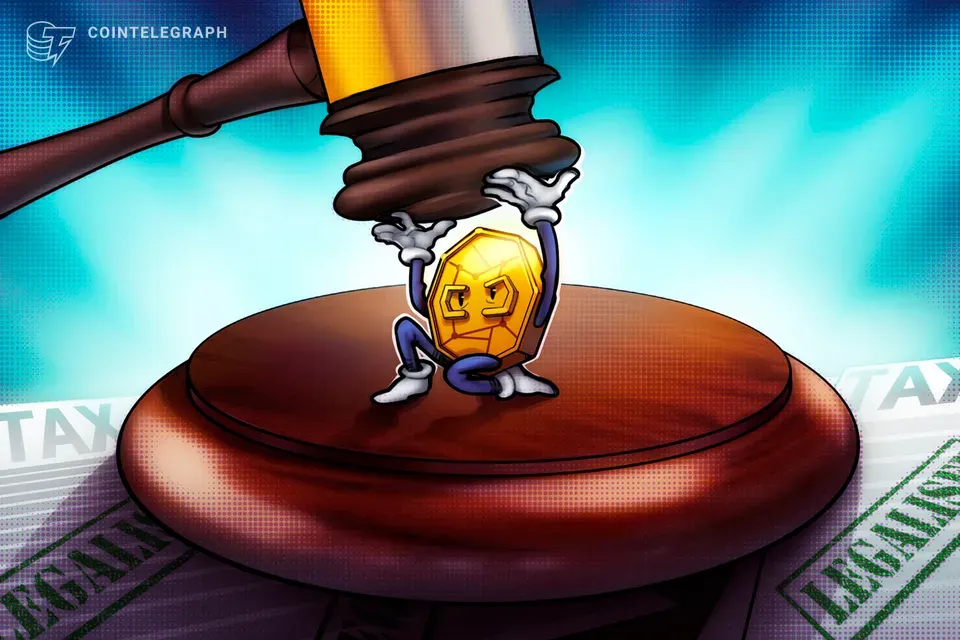
The Crypto Council for Innovation (CCI) and Blockchain Association (BA) are seeking to block Illinois from enforcing a 0.2% tax on cryptocurrency transactions before it takes effect in January 2027.
The trade groups said Wednesday that they have filed a motion for a preliminary injunction in the Circuit Court of Sangamon County, Illinois to protect digital asset firms from suffering irreparable harm.
“Companies are being asked to spend millions to build systems for a tax that violates their constitutional rights without answers to basic questions about what is taxed and when, all under the threat of criminal penalties,” said Ji Hun Kim, CCI CEO, in a statement. “These costs are being borne right now, against a Jan. 1 deadline, forcing companies to divert key resources and employees to a clearly unlawful tax.”
The two groups last month filed a lawsuit challenging Illinois’ digital asset tax on the grounds it violated the US Constitution, the state’s constitution, federal and state due process laws and the federal Internet Tax Freedom Act.
Illinois Governor JB Pritzker signed the measure into law as a “privilege tax” in June as part of the state’s fiscal year 2027 budget, requiring crypto users to be taxed as applied to transaction volume rather than income. Another trade group, the Digital Chamber, filed a similar suit days earlier.
The Midwestern state was the first in the nation to single out crypto transactions.
“The state loses very little by waiting. Everyone else loses a great deal by forging ahead. And if this Act stands, Illinois will not be the last state to try it,” said Summer Mersinger, CEO of the Blockchain Association.
Separately, Illinois is also targeting prediction markets. Kalshi’s has filed a lawsuit against Illinois officials over a law that went into effect on July 1 that “expressly bans sports event contracts,” which the company said is in violation of federal law by requiring state licensing.
Separately, Pritzker signed an executive order banning state employees from betting on the platforms in April in an effort to ”prevent insider trading amid the rapid growth of online prediction markets and event-based gambling contracts.”
Magazine: Crypto industry ties were a liability in Illinois primary
